The benefits of Open Access (OA) hardly need explanation: Everyone who needs information can access it. Authors, too, are rewarded – by making a greater impact, with more people viewing and potentially sharing, citing, and building on their work – not to mention compliance with funder OA mandates.
Costs of publishing (such as supporting peer review, research integrity assurance, and discoverability) previously were covered by subscription fees. With Open Access, on the other hand, authors are often responsible for paying an Article Processing Charge (APC).
If you or a colleague are interested in publishing your articles OA, this post is for you. This Open Access Week, we’re sharing some tips for finding options that may help cover APCs to enable authors to publish in the Open Access journals of their choice.
- Many publishers automatically waive or discount APCs in Open Access journals for corresponding authors in lower- and lower-middle-income countries (LMICs). Information can generally be found on the publisher’s website and during the submission and publication process.
- Ask your institution/library: Some institutions cover publication charges under a Transformative Agreement, often also known as a Read and Publish agreement. Alternatively, some research institution libraries provide funds to help cover APCs for their authors.
- Ask your research funder: Funders often cover APCs or allow a portion of a grant to be allocated toward APCs. In fact, some funders and institutions mandate OA publication, so it’s always best to check their policies and APC options.
- Ask your co-authors: They may be eligible for APC coverage under one of these points.
- Check the journal guidelines: APCs can vary, and some journals – such as those under Subscribe to Open or Karger Partner Publications – don’t require an APC because publication costs are covered by other arrangements.
If you still have questions about how to benefit from greater visibility and funder compliance with Open Access, explore our Open Access pages or write us at openaccess@karger.com anytime.
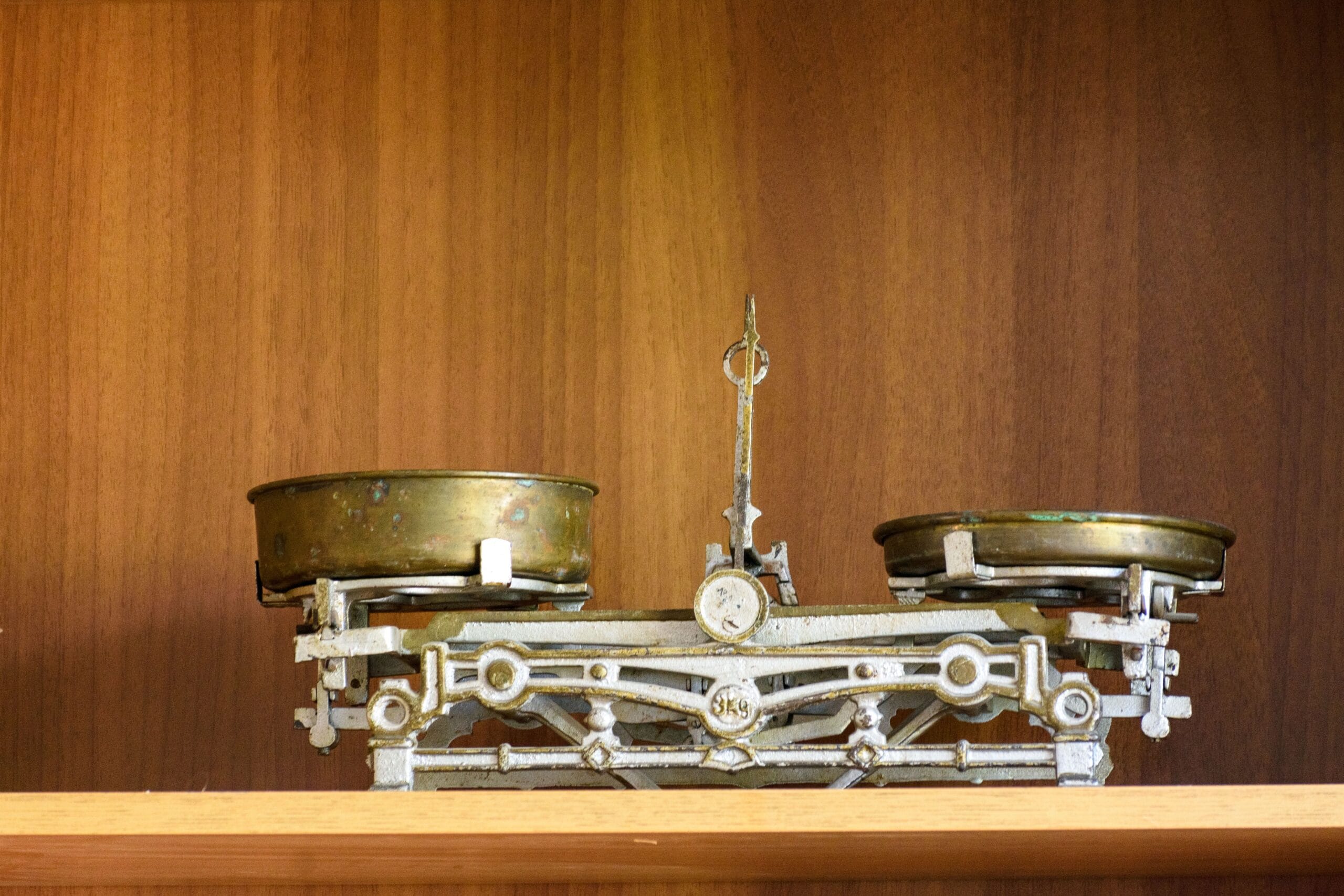
(Featured image declaration: Photo by Vitaly Gariev on Unsplash)